
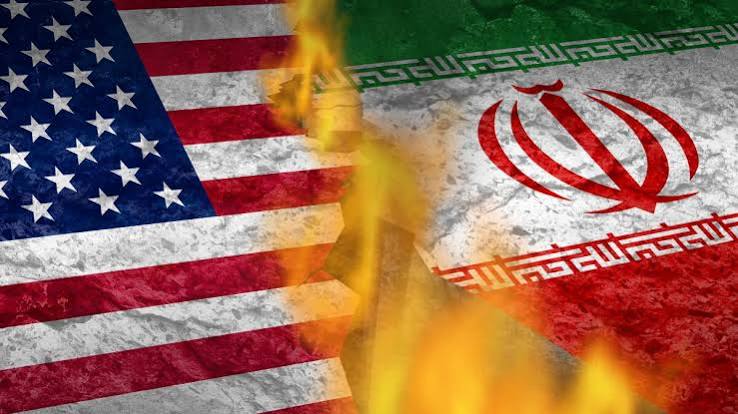
West Asia Escalation: What the Crumbling Ceasefire and 10th Night of Strikes Mean for Global Stability
What was hoped to be a lasting diplomatic resolution in West Asia has dissolved into high-intensity warfare. Following the collapse of the short-lived June ceasefire framework, the military standoff between the United States and Iran has reached a critical flashpoint. With ten consecutive nights of heavy airstrikes, direct strikes on commercial oil tankers, and mounting military casualties, the situation in the Persian Gulf threatens both regional security and global market stability.
1. Why Did the Ceasefire Collapse?
In mid-June 2026, a third-party mediated framework (the Islamabad MoU) offered a brief window of peace aimed at reopening key maritime routes. However, the agreement rapidly eroded in early July:
- Strait of Hormuz Disputes: Iran attempted to enforce strict, self-mandated transit protocols and fees on commercial ships passing through the waterway.
- Renewed Attacks on Shipping: Following targeted strikes on commercial vessels ignoring Iranian directives, U.S. President Donald Trump declared the truce over on July 7, initiating a fresh naval blockade and airstrike campaign.
- Formal Suspension: Iranian officials officially declared the memorandum of understanding "suspended" following damage to domestic infrastructure.
2. Military Operations: 10 Straight Nights of Strikes
The military exchange has expanded significantly across southern Iran and neighboring Gulf states:
- CENTCOM Campaign: U.S. Central Command completed its 10th consecutive wave of strikes targeting Iranian command centers, air defense systems, and missile launch sites to degrade capabilities threatening commercial shipping.
- Iranian Retaliation: The Islamic Revolutionary Guard Corps (IRGC) responded with ballistic missile and drone strikes against U.S. bases and air defense radar installations in Jordan, Kuwait, and Bahrain.
- Human & Military Toll: The Pentagon confirmed three recent U.S. troop deaths in Jordan and Iraq, with nearly 100 service members treated for injuries. Meanwhile, Iranian authorities report scores of casualties and damage to civil infrastructure.
3. Global Economic Fallout: Oil & Supply Chains
Because roughly 20% of the world's petroleum passes through the Strait of Hormuz, the effective halt of commercial transit through the waterway has triggered immediate global market shocks:
- Crude Oil Surges: Benchmark Brent crude has spiked past $88 per barrel as maritime insurance rates skyrocket and tankers are forced to abandon shipments or take extended detours.
- Gasoline Spikes: In the U.S., average regular gasoline prices jumped back above $4.00 per gallon, putting renewed pressure on consumer inflation ahead of autumn elections.
- Energy Security Warnings: The International Energy Agency (IEA) has warned that extended disruptions in the Gulf could lead to broader global energy supply shortages.
What Comes Next?
While diplomatic backchannels through regional mediators remain open, neither side has shown a willingness to stand down without major concessions. As Washington weighs an expansion of military targets and Tehran maintains its chokehold on regional maritime choke points, the coming days will prove decisive in determining whether this confrontation can be contained—or if it escalates into a prolonged global conflict.
Comments
No comments yet — be the first to weigh in.