
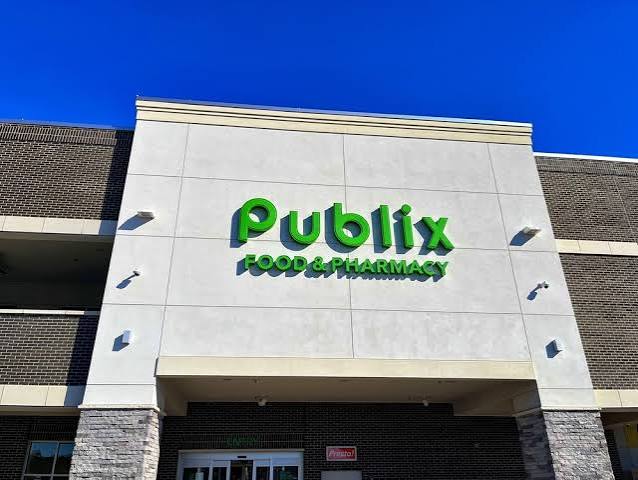
The Truth Behind the Publix 2026 Store Closings: Strategic Reset or Retail Panic?
If you live in the Southeast, a trip to your local supermarket is practically sacred. That is why recent headlines surrounding the Publix 2026 store closings have sparked sudden panic among loyal shoppers. Is the beloved employee-owned grocery giant silently struggling, or is there a highly calculated method to the retail madness? Let’s dive past the alarmist rumors to unpack the real story behind these Publix location shutdowns.
Fact-Checking the 2026 Closures: Which Stores Are Affected?
The rumor mill often exaggerates retail shifts, but the reality is that Publix has indeed permanently shuttered a handful of older locations this year. Rather than a mass retreat, these specific supermarket closures target select properties:
- St. Petersburg, Florida: The Eagles Park Retail Center location (5577 Park St N) closed its doors in early 2026.
- Miami, Florida: The Palms at Town & Country branch (8250 Mills Dr) officially shuttered in January 2026.
- Atlanta & Chamblee, Georgia: Major metro locations, including Atlantic Station and Shallowford Exchange, closed down as part of recent retail reshuffling.
While the loss of a neighborhood staple is always tough, the narrative of a crumbling empire is entirely false. In fact, Publix reported a 2% increase in net sales during the first quarter of fiscal 2026, totaling a massive $16.1 billion. The company's overall footprint actually continues to grow, with dozens of new store openings balancing out the select retirements.
The Reconstruction Strategy: Demolish and Rebuild
A major detail often ignored by casual observers is that several of these Publix 2026 store closings are actually Publix store redevelopments. Instead of abandoning these communities, the brand is tearing down aging structures to build state-of-the-art replacements from the ground up.
Take the Palm Bay Center store on Babcock Street in Florida, which closed in July 2026 after nearly 50 years of operation. Rather than walking away, Publix is demolishing the building to construct a brand-new, modernized supermarket on the exact same site. A similar scenario is unfolding in Goose Creek, South Carolina. This routine "pruning and rebuilding" is essential for bringing older locations up to modern standards, adding features like dedicated pickup lanes, expanded deli departments, and larger layouts designed for digital fulfillment.
A Rational Look at Grocery Industry Trends
Why undergo such a massive effort? Underneath the local logistics lies a fierce battle for consumer dollars. Modern grocery market competition has never been tighter. Between Walmart's massive grocery dominance and the aggressive expansion of delivery-first networks, traditional supermarkets must adapt or die.
This reality forces continuous retail network optimization. Maintaining a smaller, high-yield fleet of ultra-modern supermarkets makes far more financial sense than bleeding capital to maintain aging, inefficient storefronts. In short: Publix isn't going anywhere ~ they are simply shedding their old skin to ensure they stay on top of a rapidly changing retail landscape.
Comments
No comments yet — be the first to weigh in.