
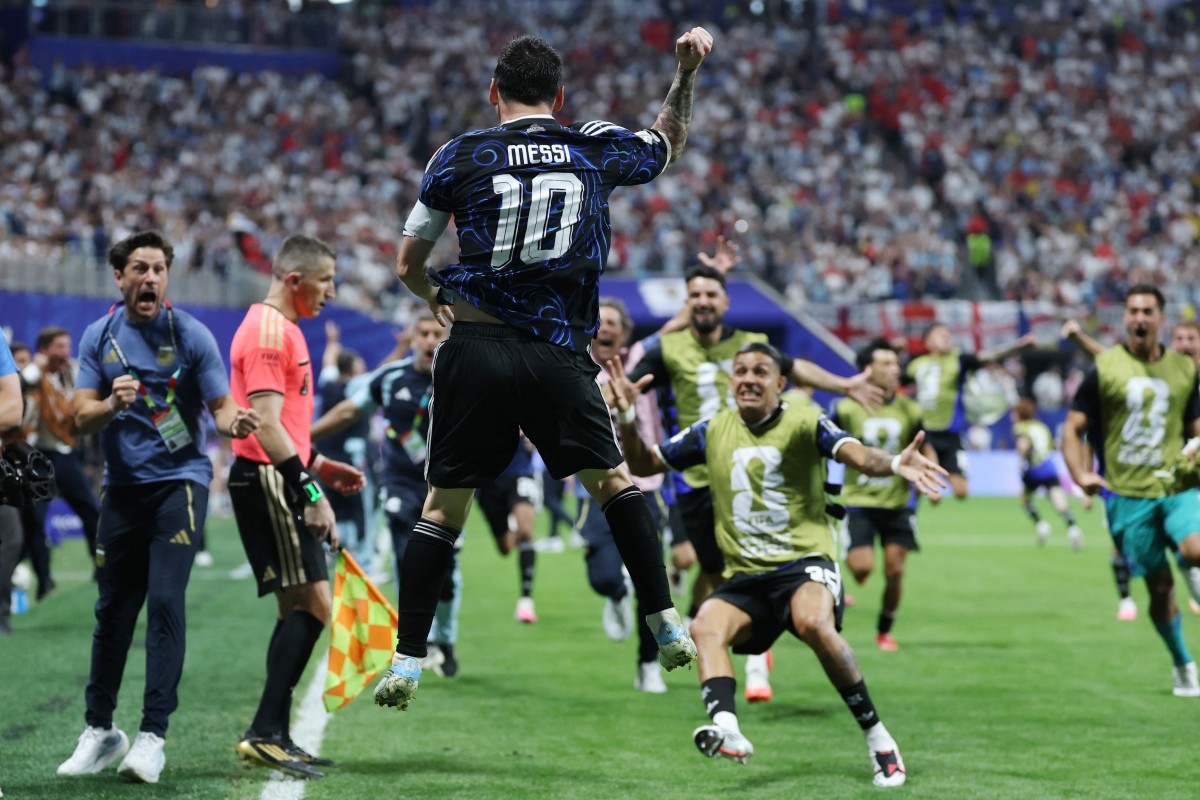
Ask ten football fans whether Argentina "cheats," and you'll get ten different answers depending on which shirt they wear. It's one of the most polarizing questions in modern football, and it resurfaces every time Lionel Messi and his national team win something big.
So let's set the noise aside for a moment and actually look at where this accusation comes from, and whether it holds up.
Where the "Argentina Cheating" Narrative Comes From
The accusation isn't random. It usually traces back to a handful of specific, widely replayed moments: gamesmanship during penalty shootouts, disputes over stoppage time decisions in high-stakes knockout matches, and a goalkeeping style, most associated with Emiliano "Dibu" Martínez, built almost entirely around psychological warfare rather than pure shot stopping.
Rival fans see these moments and call it manipulation. Argentine fans see the exact same footage and call it competitive edge. Same clip, two completely different verdicts, which tells you this is less about facts and more about perspective.
The Case Against Argentina
Critics point to a pattern, not a single incident: delayed goal kicks, exaggerated reactions to contact, deliberate mind games before penalties, and complaints that refereeing decisions in Argentina's biggest matches have occasionally tilted in their favor at the exact moments that mattered most. None of this is imagined, it's on camera, it's been debated by pundits, and it's fair game to criticize.
If the same tactics happened against Argentina instead of for them, would fans calling it "cheating" now be calling it "smart"?
The Case For Argentina
Here's the part the "cheating" framing usually skips: almost none of this breaks any actual rule. Gamesmanship, needling opponents, working a referee, slowing the game down at key moments, is legal, has existed in football for a century, and every elite team does some version of it. Diego Simeone's Atlético Madrid built a whole identity on it. Italian teams have been doing it since the 1980s.
The distinction that actually matters in football is the one between breaking the rules (doping, match-fixing, bribery, actual cheating) and playing to the edge of the rules (gamesmanship, time-wasting, theatrics, which is just hard nosed competing). Argentina has never been credibly linked to the first category. Everything critics point to falls in the second.
What "Cheating" Actually Means in Football
This is really the crux of it. Sportsmanship debates and rule violations are two different conversations that keep getting collapsed into one angry hashtag. A player diving is a foul the referee should catch, it's not the same category of offense as a doping violation or a fixed result, even though both get thrown around under the same word online.
By the letter of the rules Argentina has been playing within, "cheating" is the wrong word. "Ruthless" is probably the right one.
So, Is Argentina Cheating?
Based on the actual rulebook: no. Based on whether they play right up against the edge of what's allowed, using every psychological and tactical trick available to them: absolutely, and they'd tell you that's the point.
Whether that makes them villains or geniuses probably says more about which side you were rooting for than anything happening on the pitch.
Where do you land on this? Genius gamesmanship, or something that crosses a line? Drop your take in the comments.
Comments
No comments yet — be the first to weigh in.